October 31, 2026
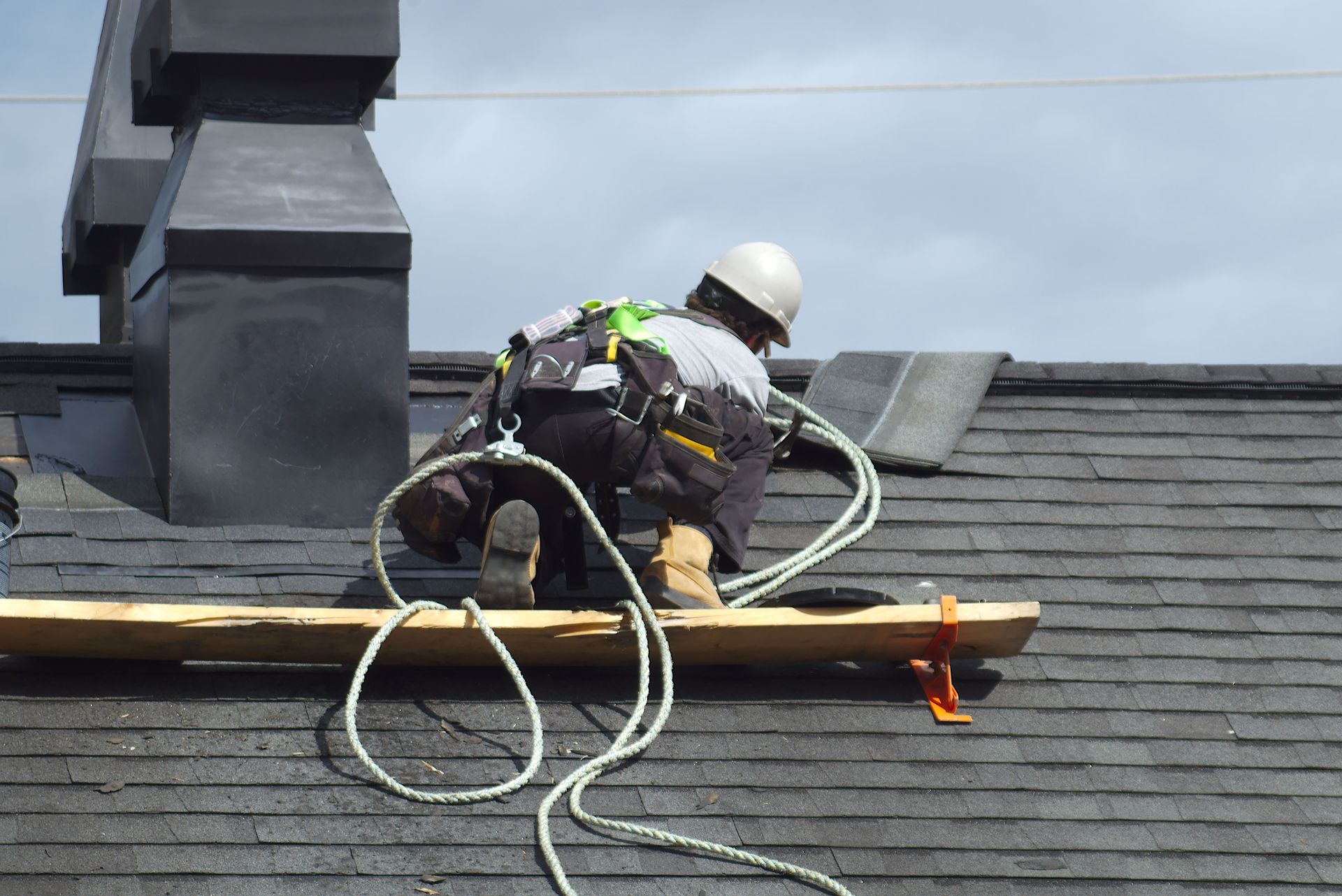
A durable roofing system begins with careful planning, quality materials, and precise workmanship at every stage of the project. Asphalt shingles remain a common roofing choice because they offer a practical combination of affordability, design flexibility, and weather protection for residential properties. However, even high-quality shingles can develop problems when the underlying roof structure is poorly prepared or installation procedures are overlooked. Professional roof installation involves much more than placing shingles across a roof surface, as contractors must evaluate the existing structure, select compatible materials, and follow manufacturer specifications.
Each stage contributes to the roof’s ability to withstand rain, wind, temperature changes, and everyday environmental exposure. Experienced contractors also pay attention to ventilation, flashing, fastening patterns, and drainage to help reduce the risk of premature deterioration. Understanding these essential steps helps property owners recognize what a properly managed roofing project should involve. Fiori Construction LLC understands the importance of careful preparation and consistent workmanship when completing asphalt shingle roofing projects.
Preparing the Roof for Installation
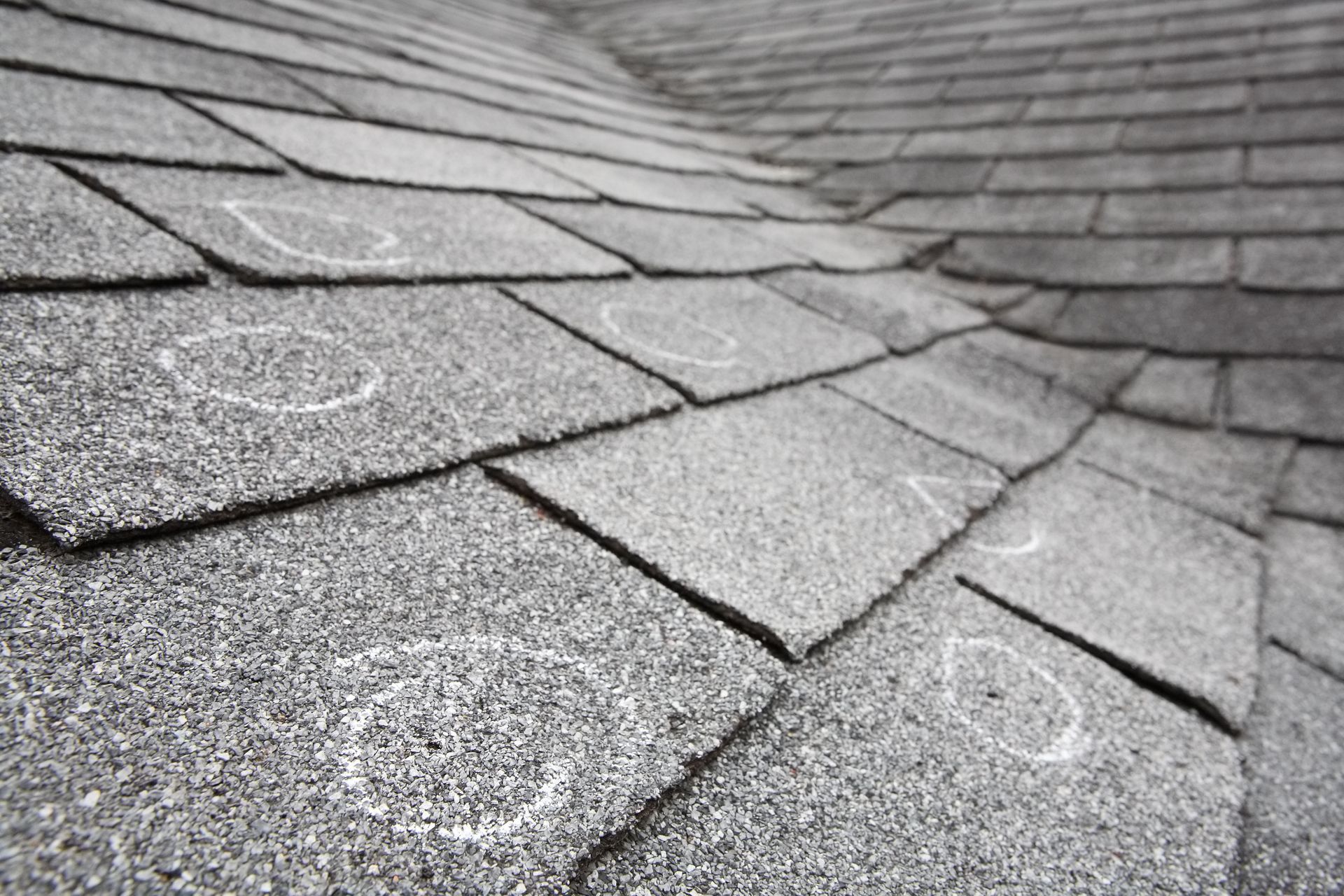
A successful roofing project starts with a detailed inspection of the existing roof and supporting structure. Contractors examine the roof deck for damaged wood, soft spots, moisture intrusion, and other conditions that could interfere with the new materials. They also assess the existing shingles and underlayment to determine which components must be removed before work begins. Removing old roofing materials when required allows installers to identify concealed problems rather than covering them with a new layer. Any damaged decking should be repaired or replaced before the installation proceeds.
Contractors also evaluate roof slopes, valleys, eaves, and penetrations because these areas require particular attention during roof installation. Proper preparation helps establish a stable foundation for the new shingles and reduces the likelihood of installation-related complications. By addressing structural concerns early, professionals can help homeowners avoid preventable repairs after the project is complete.
Selecting Compatible Roofing Materials
Choosing appropriate materials is another important part of achieving a dependable asphalt shingle roof. Contractors consider the property's architectural design, local weather conditions, roof slope, and applicable building requirements when recommending products. Asphalt shingles are available in several styles, including three-tab, architectural, and premium designer options. Each type has different appearance characteristics, performance specifications, and installation requirements.
Installers must also select compatible underlayment, starter shingles, ridge caps, flashing, and fastening materials. Using components that work together helps maintain the integrity of the complete roofing assembly. Manufacturers often provide specific instructions concerning approved accessories, fastening locations, and installation methods, making product compatibility especially important. Professional roof installation follows these requirements to support the intended performance of the selected roofing system.
Installing Underlayment and Protective Barriers
Underlayment creates an additional protective layer between the roof deck and asphalt shingles. Although shingles provide the primary exterior covering, underlayment helps protect the structure if moisture passes beneath the surface materials. Contractors select products appropriate for the roof design and follow the manufacturer's instructions for placement and fastening. They pay particular attention to eaves, valleys, and other locations where water may collect or flow in concentrated amounts.
Ice and water protection may also be required in designated areas, depending on local codes, climate conditions, and roof specifications. The underlayment must be installed with appropriate overlaps to reduce opportunities for water intrusion. Installers also ensure that the material remains secure and undamaged as work continues across the roof. These protective layers establish an important foundation before the visible shingles are installed.
Positioning and Fastening Asphalt Shingles
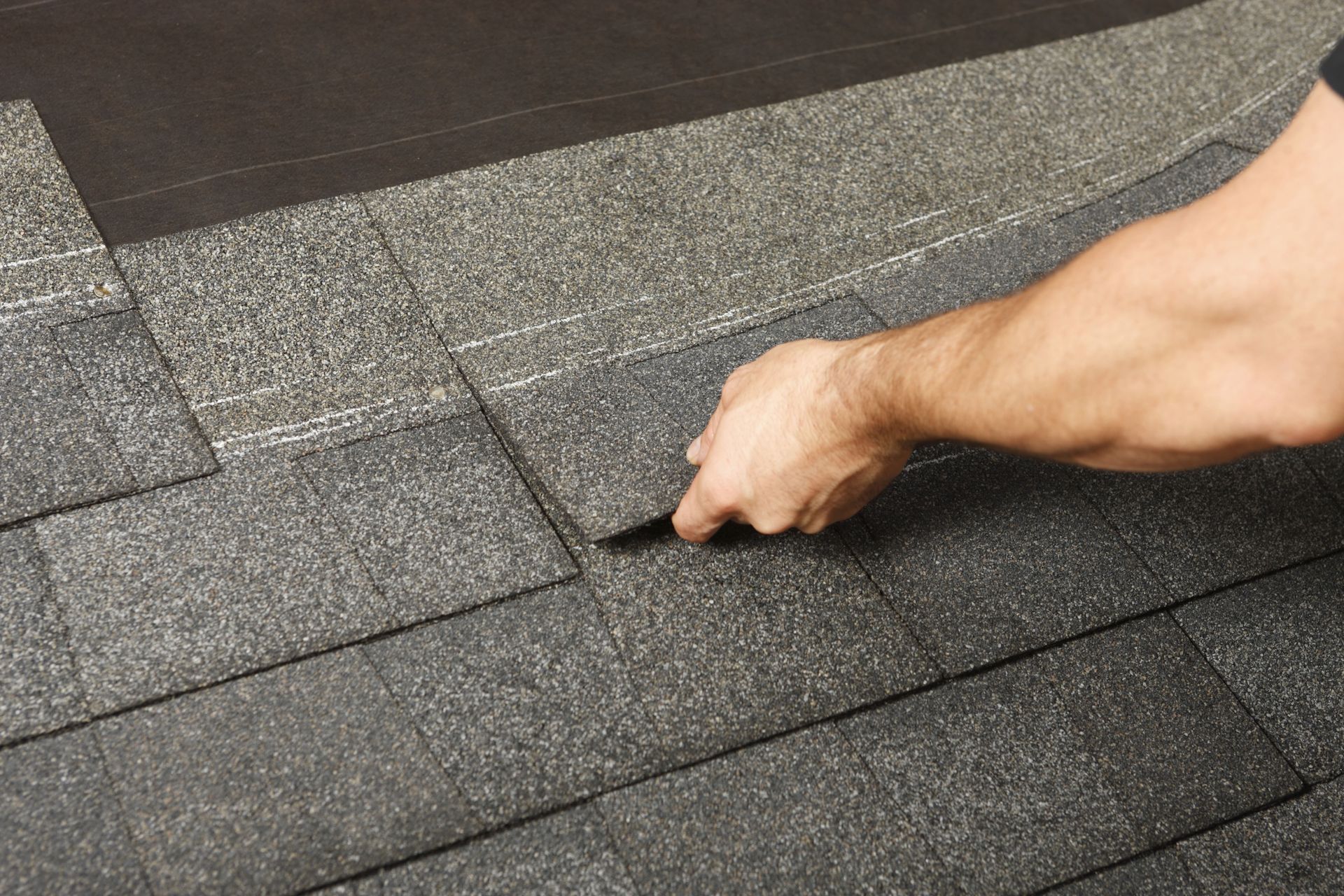
Precise shingle placement plays a major role in the roof's appearance, weather resistance, and overall durability. Professional installers establish reference lines to maintain consistent alignment across the roof surface. They follow the manufacturer's specified exposure dimensions so that each course overlaps correctly with the one below it. Fasteners must be placed in the designated locations and driven to the appropriate depth to hold the shingles securely without damaging them.
Incorrect nail placement, insufficient fastening, or overdriven nails can compromise the roofing system's performance. Contractors also account for the selected shingle type because different products may require different fastening patterns. In areas exposed to strong winds, following the applicable wind-rating requirements and manufacturer instructions is particularly important. Careful positioning and fastening help create a uniform roof surface while supporting the shingles' intended resistance to weather.
Sealing Flashing and Vulnerable Roof Areas
Roof edges, valleys, chimneys, skylights, and plumbing vents require specialized detailing because they interrupt the main shingle surface. Flashing directs water away from these vulnerable locations and helps prevent moisture from reaching the roof deck or interior structure. Contractors select appropriate flashing materials and install them in coordination with the shingles and underlayment. Valley construction requires particular care because water from adjoining roof slopes can converge in these channels.
Installers also ensure that plumbing vent boots and other roof penetrations are properly integrated into the roofing system. Shingles should be cut and positioned according to product specifications to maintain coverage without obstructing necessary drainage paths. Sealants may be appropriate in designated locations, but they should not replace correctly installed flashing or other required components. Thorough attention to these details helps limit leaks that might otherwise remain unnoticed until interior damage appears.
Maintaining Proper Ventilation and Drainage
A roofing system must manage both exterior moisture and the movement of air through the attic. Adequate attic ventilation can help control heat and moisture accumulation, depending on the building design and climate conditions. Contractors evaluate existing intake and exhaust ventilation to determine whether the arrangement meets applicable requirements and manufacturer recommendations. Poor ventilation may contribute to condensation, excessive attic temperatures, and premature deterioration of certain roofing components. Installers also ensure that roof drainage paths remain unobstructed and that gutters and downspouts can direct water away from the structure.
Properly aligned shingles, functional flashing, and clear drainage channels work together to help manage rainfall. According to the EPDM Roofing Association, an in-house survey recorded respondents' firsthand experiences with EPDM membrane roofs that had lasted 40, 45, and 50 years. Although EPDM is a different roofing material from asphalt shingles, these reported service lives illustrate why material selection, installation practices, and ongoing maintenance deserve careful consideration.
Inspecting the Completed Roofing Project
A thorough inspection after roof installation allows contractors to identify issues before considering the project complete. Installers review shingle alignment, fastening, ridge caps, flashing, and roof penetrations to confirm that the finished work follows the applicable specifications. They also check for damaged shingles, exposed fasteners where coverage is required, and debris left behind during construction. Valleys and roof edges receive particular attention because these areas influence water movement and weather protection.
Contractors should confirm that ventilation components remain functional and that gutters or drainage paths have not been blocked by roofing debris. Any identified deficiencies should be corrected before the work is finalized. Homeowners can also benefit from receiving relevant warranty information, maintenance recommendations, and documentation concerning the installed materials. A consistent inspection process helps verify workmanship and provides a clearer understanding of the completed roofing system.
A reliable roofing project depends on several connected steps, from inspecting the roof deck to completing the final quality review. Proper material selection, correctly installed underlayment, precise shingle fastening, effective flashing, and suitable ventilation all contribute to the finished system. Overlooking any of these details can increase the risk of leaks, premature wear, or avoidable repair expenses. Working with an experienced contractor helps homeowners understand the installation process and the requirements specific to their property.
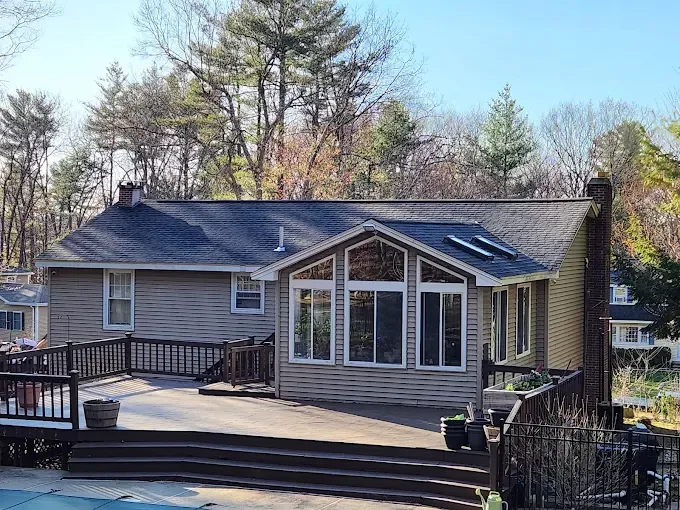
Fiori Construction LLC can help property owners evaluate their roofing needs and plan an asphalt shingle project around the home's structural conditions and material specifications. Clear communication and careful workmanship help keep the project focused on durability, weather protection, and a consistent finished appearance. Contact us to discuss your asphalt shingle roofing project and learn how professional roof installation can help protect your home.